In 2025, the PREGART project continued to play a central role in advancing Ethiopia’s clinical research system, delivering significant achievements in capacity building, infrastructure development, regulatory strengthening, and strategic oversight of trial implementation.
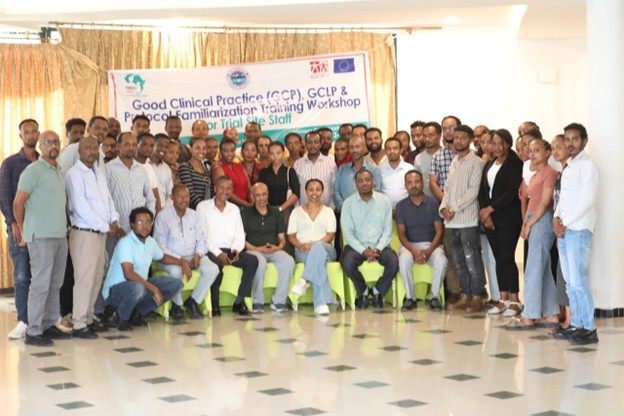
A key accomplishment is the training of over 300 health professionals in Good Clinical Practice (GCP), Good Clinical Laboratory Practice (GCLP), and protocol-driven trial procedures. More than 150 of them have gained hands-on experience across multiple PREGART trial sites, contributing to the establishment of a qualified national workforce capable of supporting high-quality clinical research.
At the infrastructural level, PREGART supported the creation of Hawassa University’s first fully equipped Clinical Trial Unit (CTU). Designed according to international GCP standards, the CTU includes dedicated areas for consent, clinical assessments, data management, laboratory processing, emergency care, and investigational product archiving. With its operational frameworks and quality systems in place—and ongoing preparations for ISO 9001 certification—the CTU represents a major milestone in Ethiopia’s long-term clinical trial capacity.
From a regulatory perspective, PREGART provided substantial technical support enabling the Ethiopian Food and Drug Authority (EFDA) to attain WHO Level III regulatory maturity for clinical trial oversight. Through multi-site GCP inspections, continuous protocol evaluation, real-time safety monitoring, and close regulatory engagement, PREGART strengthened EFDA’s operational competencies and alignment with global regulatory benchmarks.
Furthermore, in August 2025 the PREGART Ethiopia core investigators convened a four-day trial implementation progress monitoring meeting in Hawassa. Senior investigators from Ethiopia and international partner institutions reviewed recruitment performance, interim safety and efficacy analyses, and progress of PhD students engaged in trial-related research. The group identified operational challenges and issued strategic recommendations, including the expansion of trial sites, recruitment of full-time clinical and laboratory personnel, strengthened data management systems, frequent site monitoring, and comprehensive GCP training for new sites. They also endorsed completing participant recruitment by 2026 and emphasized the importance of preparing upcoming interim analyses for the Data Safety Monitoring Board.
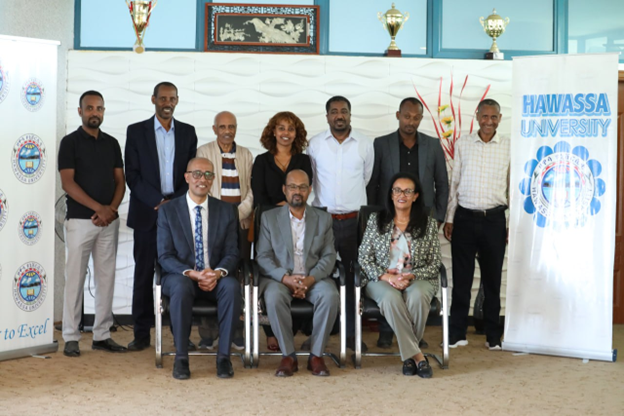
Discussions with Hawassa University leadership reaffirmed institutional support for the trial, and investigators conducted a site visit to review ongoing activities and to initiate CTU renovation efforts in collaboration with university officials.
Taken together, these achievements underscore the strong partnership among the PREGART consortium—Hawassa University, Karolinska Institute, Makerere University, ISS—and the continued support of EDCTP2/EDCTP3. They collectively reflect a sustained commitment to building a trusted, competent, and internationally aligned clinical research environment capable of responding to Ethiopia’s and the global community’s health priorities.